
Cart
Cart is empty
Total:
0,00 €
Cart is empty
The Thunder active electronic exhaust system comes as a universal kit. This means that installation and adaptation to a specific vehicle must be carried out at a qualified car service centre with experience in electrical installation and CAN bus connection.
Important: We do not handle installation, but supply the equipment. We recommend contacting official dealers or verified installation centres with experience in active exhaust systems.
The Thunder system supports most modern vehicles equipped with a CAN bus. Below is a list of tested models on which the system is installed:
If your model is not on the list, it does not mean installation is impossible. Contact us to check compatibility.
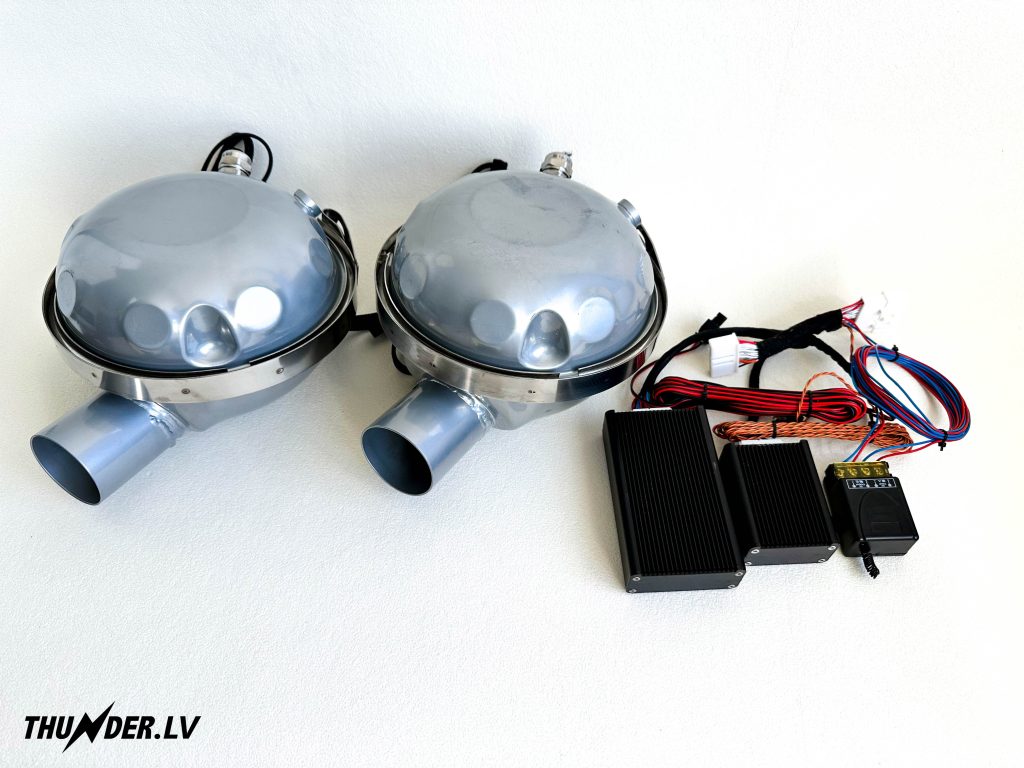
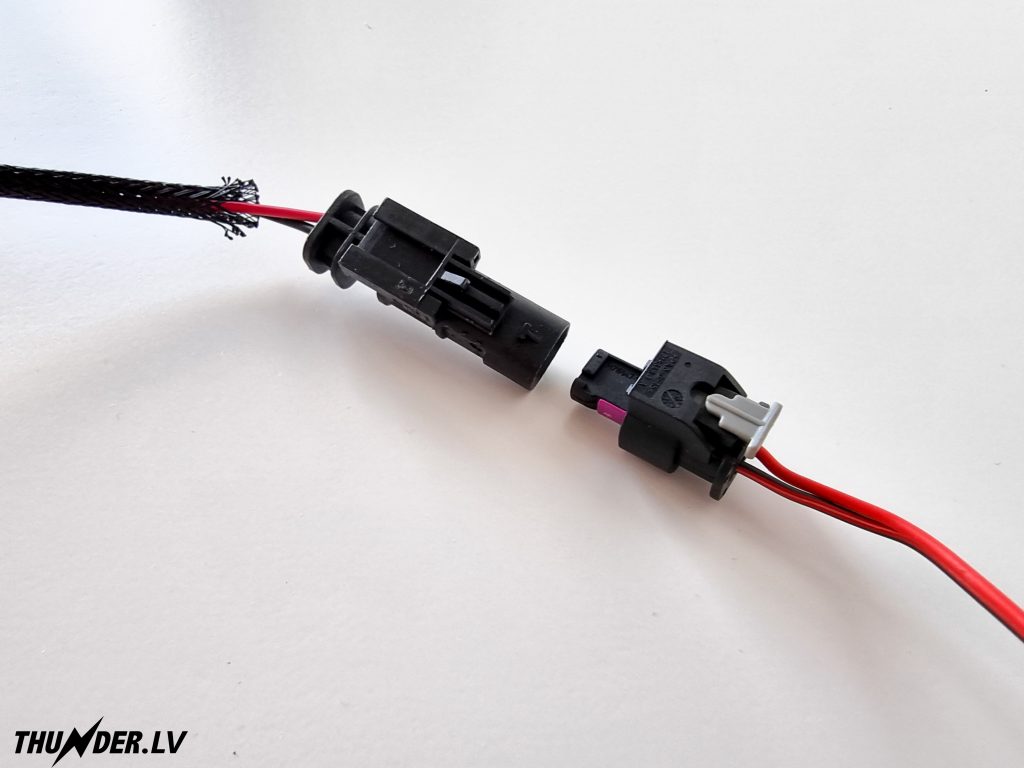
The Thunder sound generators have an ingress protection rating that allows them to be installed both outside the vehicle (they are water-resistant and protected from the environment) and inside the cabin with sound pipes routed outside. The choice of specific installation method depends on the vehicle's design and available space.
Various generator mounting options are possible:
Key installation rules:
Important warning: Installation of sound generators in a horizontal plane with the sound outlet facing upwards is not permitted. In this position, dirt and moisture will accumulate inside the housing, which over time can block the sound outlet and render the system inoperative.
Different vehicles require an individual approach. Here is how the Thunder system is installed on various models:
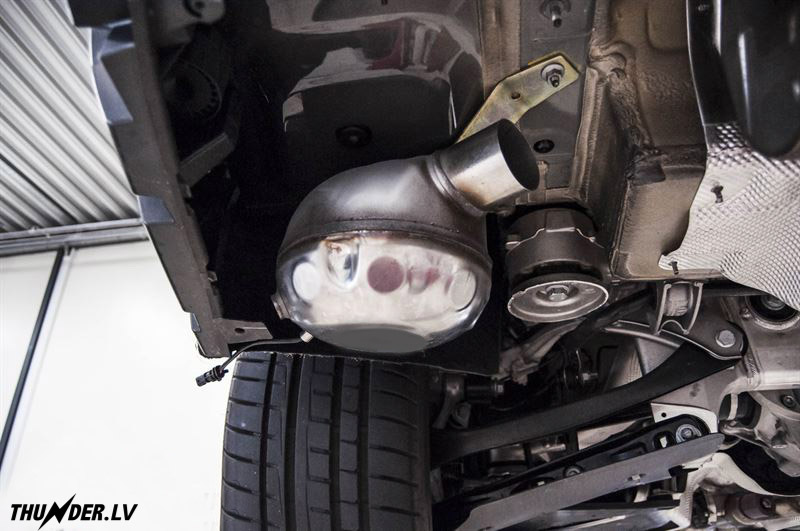
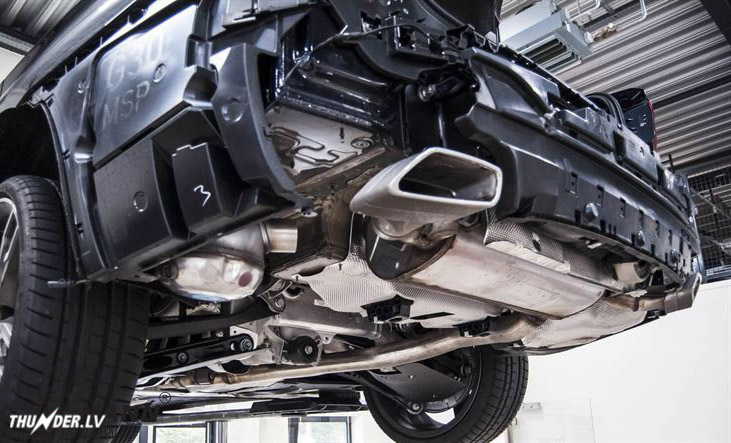
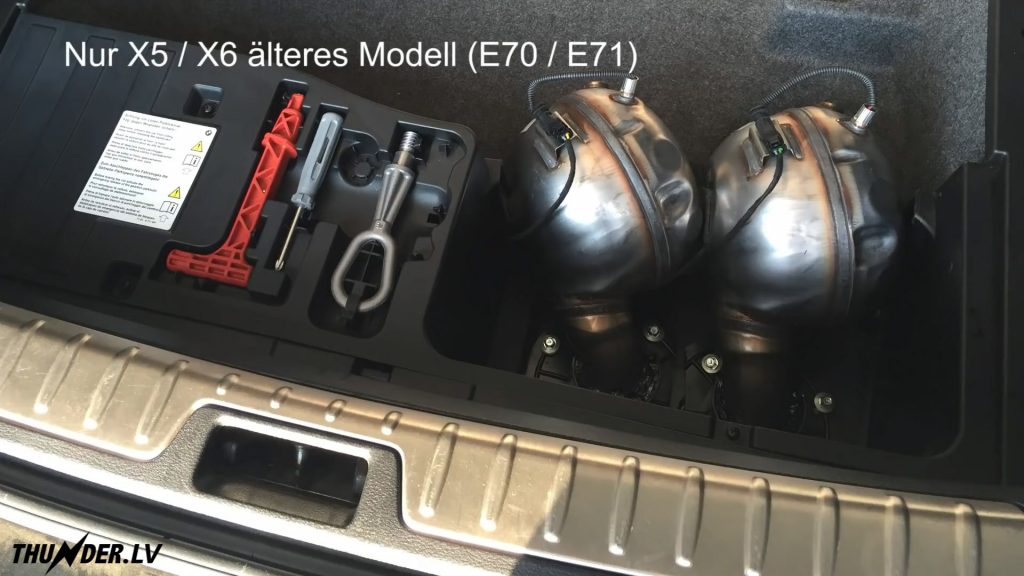
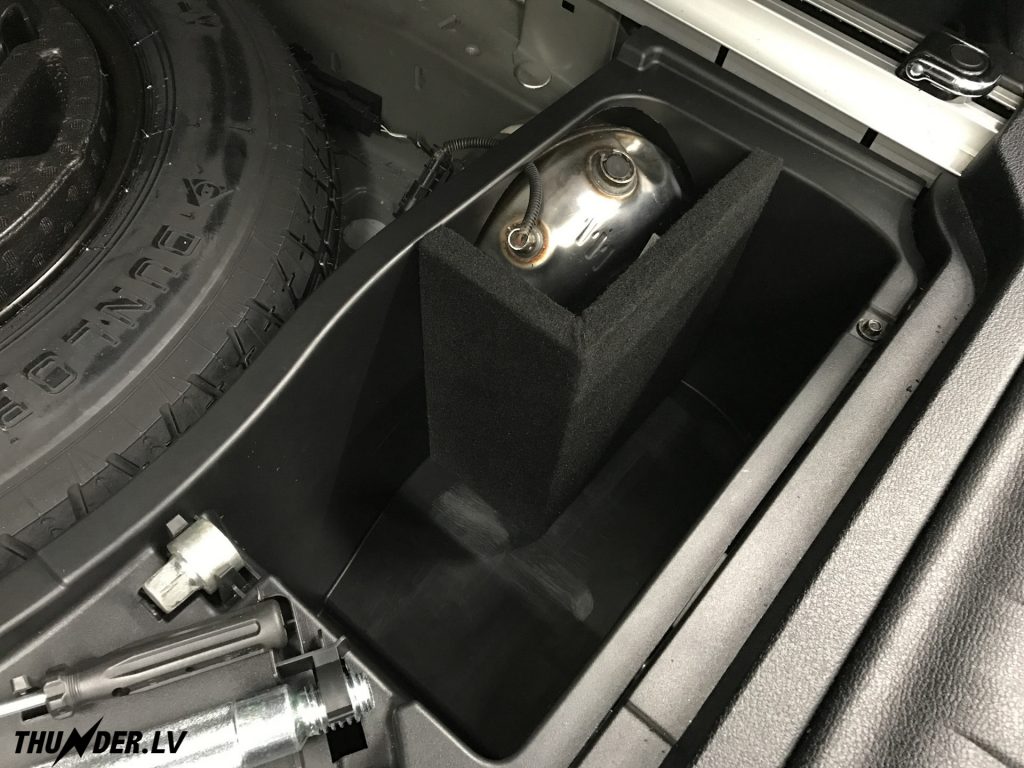
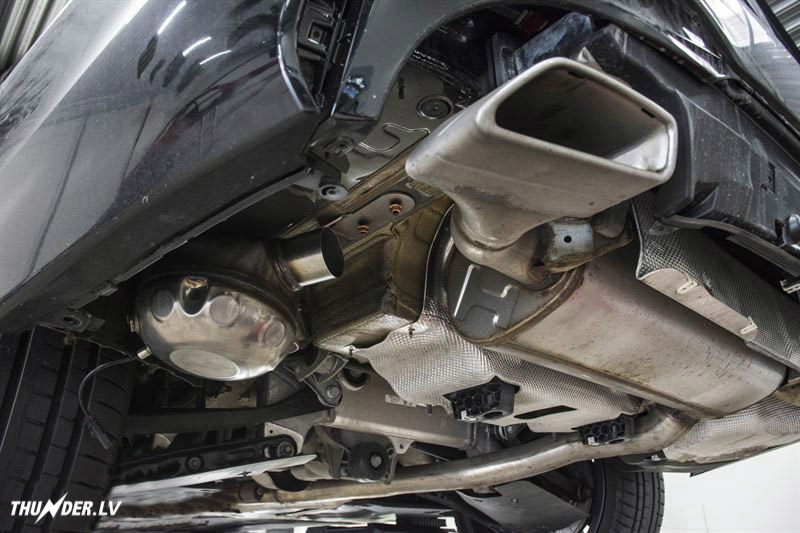
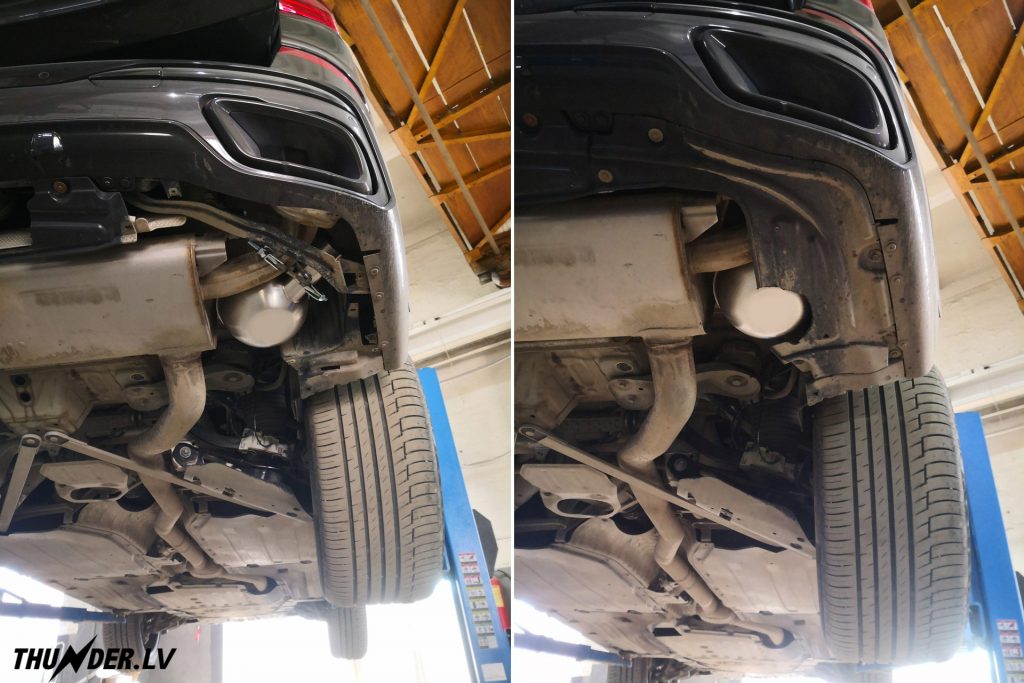
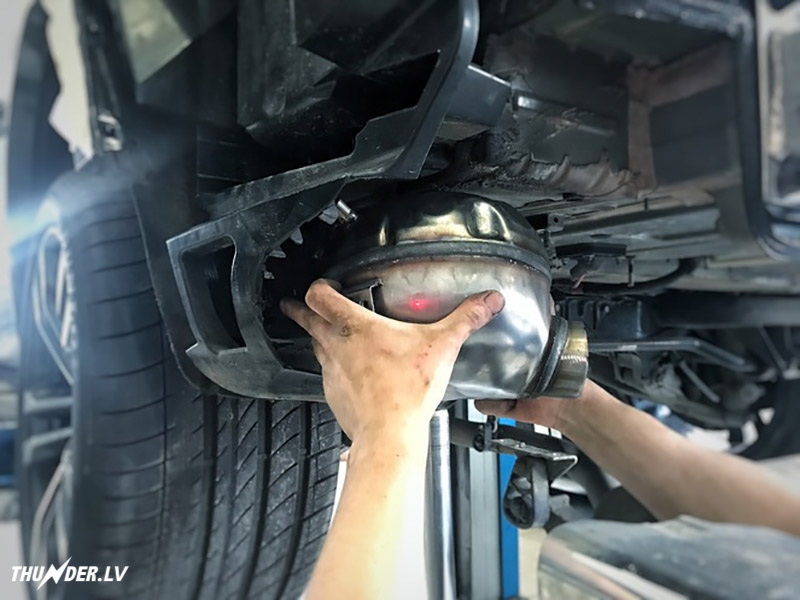
After completing the mechanical installation, the electronic components are connected. This step requires an understanding of automotive electronics and access to the vehicle's technical documentation.
What is needed for connection:
Important note: The control units of the electronic exhaust system must only be installed inside the vehicle cabin. They are not waterproof and are not intended for outdoor installation. Placing the control units under the bonnet or outside the vehicle will lead to their failure.
Correct installation of the Thunder system requires:
Unprofessional installation can lead to system malfunction or damage to the vehicle's electronics. We recommend contacting only certified installers with experience in such work.
For questions regarding the selection of an installation centre in your region, please contact our manager.
This site uses cookies to improve your user experience and optimize its performance. By continuing to use this site, you agree to the use of cookies on www.thunder.lv.